Saudi Arabia Courts Archer Aviation Amid Regional eVTOL Competition
Saudi Arabia has started courting electric air taxi company Archer Aviation, following its recent partnership with the UAE. The rivalry between the two nations to become the top regional hub is driving significant investments, benefiting companies like Archer.
Last month, Archer signed a multi-million dollar investment pact with the Abu Dhabi Investment Office (ADIO) to accelerate its commercial air taxi operations in the UAE. This partnership has sparked interest across the region, particularly in Saudi Arabia, according to Nikhil Goel, Archer’s chief commercial officer.
Archer is now in discussions with Saudi officials about potential partnerships in Riyadh, Jeddah, and other major projects in the kingdom. Archer Aviation, backed by major companies such as Stellantis, Boeing, and United Airlines, is developing electric vertical takeoff and landing (eVTOL) aircraft, seen as the future of urban air mobility.
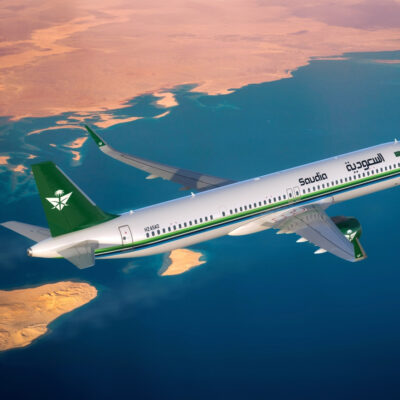
The wealthy Gulf region presents a promising market for the eVTOL industry, which also faces certification challenges. Riyadh, aiming to diversify its economy away from oil, is investing heavily in its aviation sector. Recent moves include an order for 105 Airbus aircraft, the launch of Riyadh Air, and plans for a massive six-runway airport.
Dubai, a long-time aviation hub, is also making significant investments, aiming to increase Dubai International Airport’s capacity to 120 million passengers by 2026. This competition is fueling an aviation boom that benefits new entrants like Archer.
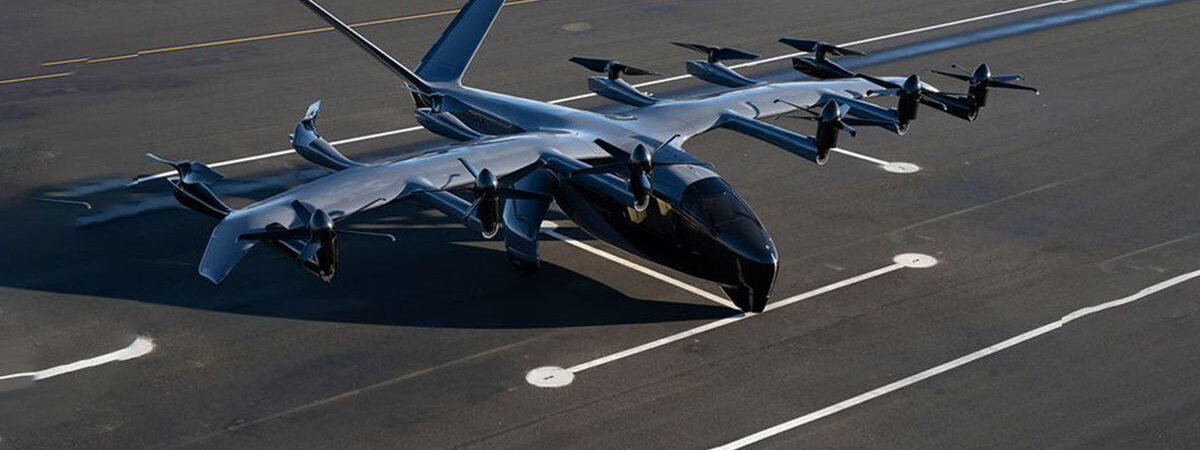
The eVTOL sector is rapidly expanding, promising to transform urban transportation. However, only a few of the over 200 startups are expected to survive the competitive landscape. The FAA approved Archer’s demonstrator aircraft ‘Maker’ for flight testing in 2021, but certification timelines for eVTOLs remain challenging.
The Gulf region offers a potential quick launch for eVTOL operations, with rigorous safety standards in place. Saudi Arabia’s flagship NEOM project has already partnered with eVTOL company Volocopter, investing $175 million in the venture.